logo
Products
Home / Products / Flotation Reagents /

Flotation Useage Isopropyl Ethyl Thionocarbamate with Maximum 3% Isopropyl Alcohol

Flotation Useage Isopropyl Ethyl Thionocarbamate with Maximum 3% Isopropyl Alcohol

Brand Name: KS
Model Number: 90%
Detail Information
Density:
1.05-1.15 G/cm3
Useage:
Flotation
Hs Code:
2930200090
Sample No:
YX20240720A
Other Names:
4-Methyl-2-pentanol; 1,3-Dimethylbutanol
Content:
≥ 90%
Dosage:
5-80g/ Ton
The Row Material:
Polyacrylamide
Highlight:

flotation reagent isopropyl ethyl thionocarbamate

,

thionocarbamate flotation reagent with alcohol

,

isopropyl ethyl thionocarbamate flotation usage

Product Description

Product Description:

The Flotation Reagents product is a crucial component in the mineral processing industry, specifically designed to enhance the separation of valuable minerals from gangue materials. One of the key components of this product is Isopropyl Ethyl Thionocarbamate (IPETC), a potent reagent known for its effectiveness in flotation processes.

With a dosage recommendation ranging from 5 to 80 grams per ton of ore, this product ensures efficient mineral separation while maintaining cost-effectiveness. The versatility of the dosage allows for flexibility in application, catering to various processing needs and mineral compositions.

When it comes to storage, it is essential to keep the Flotation Reagents in a cool and dry place to maintain its efficacy. Proper storage conditions help preserve the integrity of the product and prevent any potential degradation that could affect its performance during mineral processing operations.

The active component of the Flotation Reagents is guaranteed to be at least 70%, ensuring a high concentration of the effective Isopropyl Ethyl Thionocarbamate. This minimum active component percentage guarantees consistent and reliable results in mineral separation processes, contributing to overall operational efficiency.

Furthermore, the content of the Flotation Reagents is equal to or greater than 90%, indicating a high purity level that is essential for achieving optimal results in mineral flotation. The purity of the product plays a significant role in its performance, as any impurities can interfere with the flotation process and impact the overall efficiency of mineral separation.

With a boiling point range of 100 to 150°C, the Flotation Reagents are designed to withstand the temperature variations encountered during mineral processing operations. This characteristic ensures the stability of the product under varying thermal conditions, allowing for consistent performance in flotation processes.


Features:

  • Product Name: Flotation Reagents
  • Active Component: 70% Min
  • Dosage: 5-80g/ Ton
  • Content: ≥ 90%
  • Samples: Yes
  • Storage: Cool, Dry Place

Technical Parameters:

Samples Yes
Odor Slight Odor
Density 1.05-1.15 G/cm3
Useage Flotation
Content ≥ 90%
Isopropyl Alcohol 3% Max
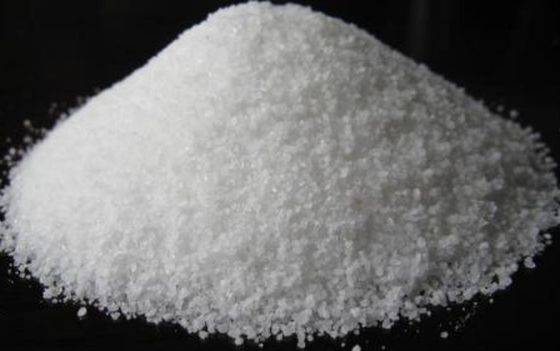
Status Granular Particle Stick
Dosage 5-80g/ Ton
The Row Material Polyacrylamide
Sample No YX20240720A

Applications:

Flotation Reagents by KS are highly versatile chemicals that find application in various industrial processes. The Model Number 90% signifies a high purity level, ensuring effective performance in flotation operations. Originating from China, these reagents are known for their quality and reliability.

The Flotation Reagents are particularly suitable for scenarios where Isopropyl Ethyl Thionocarbamate is required for mineral flotation processes. With a boiling point range of 100-150°C, these reagents can efficiently operate under varying temperature conditions, making them ideal for diverse environments.

Granular Particle Stick status ensures convenient handling and dosing of the product, offering ease of use during flotation operations. The raw material, Polyacrylamide, adds to the effectiveness of the reagents, enhancing their performance in achieving desired flotation outcomes.

Whether in mining, mineral processing, or other industrial applications, Flotation Reagents from KS prove to be indispensable in enhancing flotation efficiency. The inclusion of samples allows for testing and evaluation, ensuring compatibility and optimal performance in specific flotation systems.

With an HS Code of 2930200090, these reagents comply with international standards, facilitating seamless import and export procedures. Their versatility and efficacy make them a preferred choice for industries relying on flotation processes to separate valuable minerals from ore.